How Swiss Legal Standards Shape Bonus Structures and Mobile App Features for Live Dealer Experiences
Uma Vogel · Aug 20, 2026
How Swiss Legal Standards Shape Bonus Structures and Mobile App Features for Live Dealer Experiences
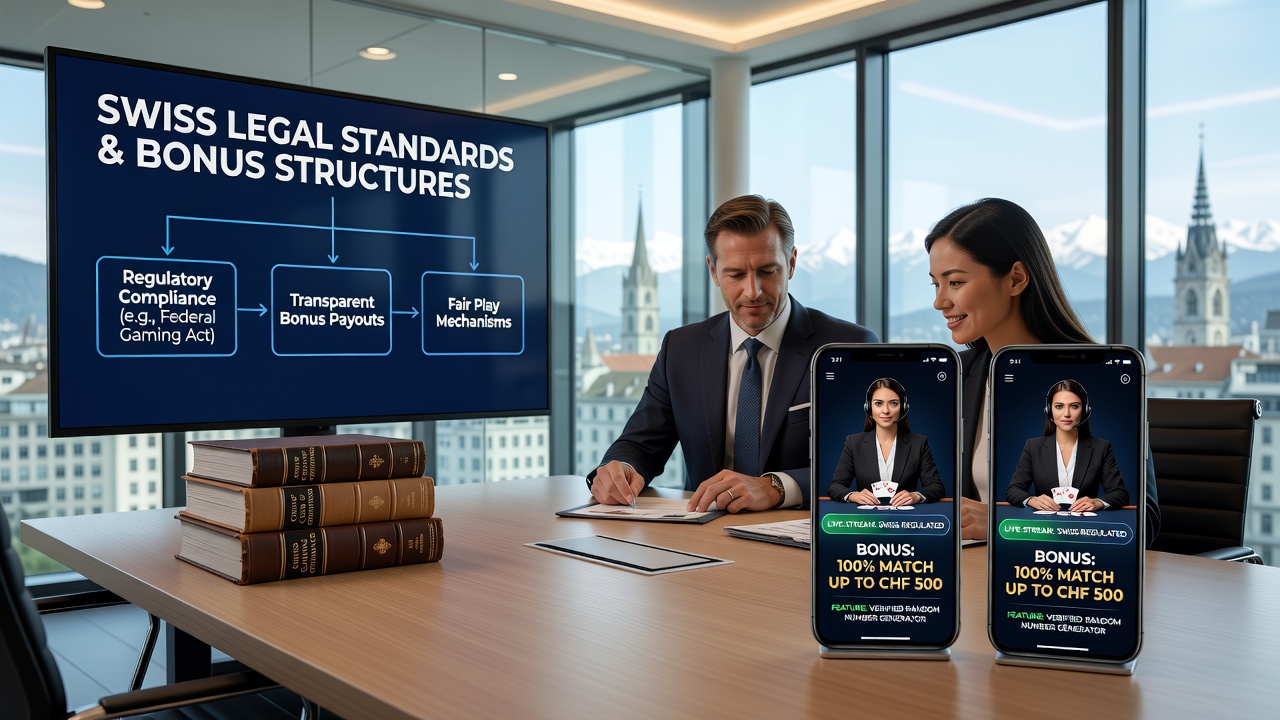
Swiss legal standards have created a structured environment where operators must align bonus offerings with strict federal and cantonal requirements that prioritize player protection and market transparency, and these rules extend directly into the design of mobile applications supporting live dealer tables. The Federal Act on Gambling along with its implementing ordinances set limits on promotional mechanics such as maximum bonus values, mandatory wagering conditions, and time-bound validity periods that prevent excessive inducements while still allowing operators to compete. Research from the Swiss Federal Gaming Board indicates that bonus structures in licensed platforms must include clear disclosure of all terms at the point of activation, and data collected through mandatory reporting systems shows consistent adherence across operators handling live dealer traffic.
Regulatory Framework Governing Bonuses
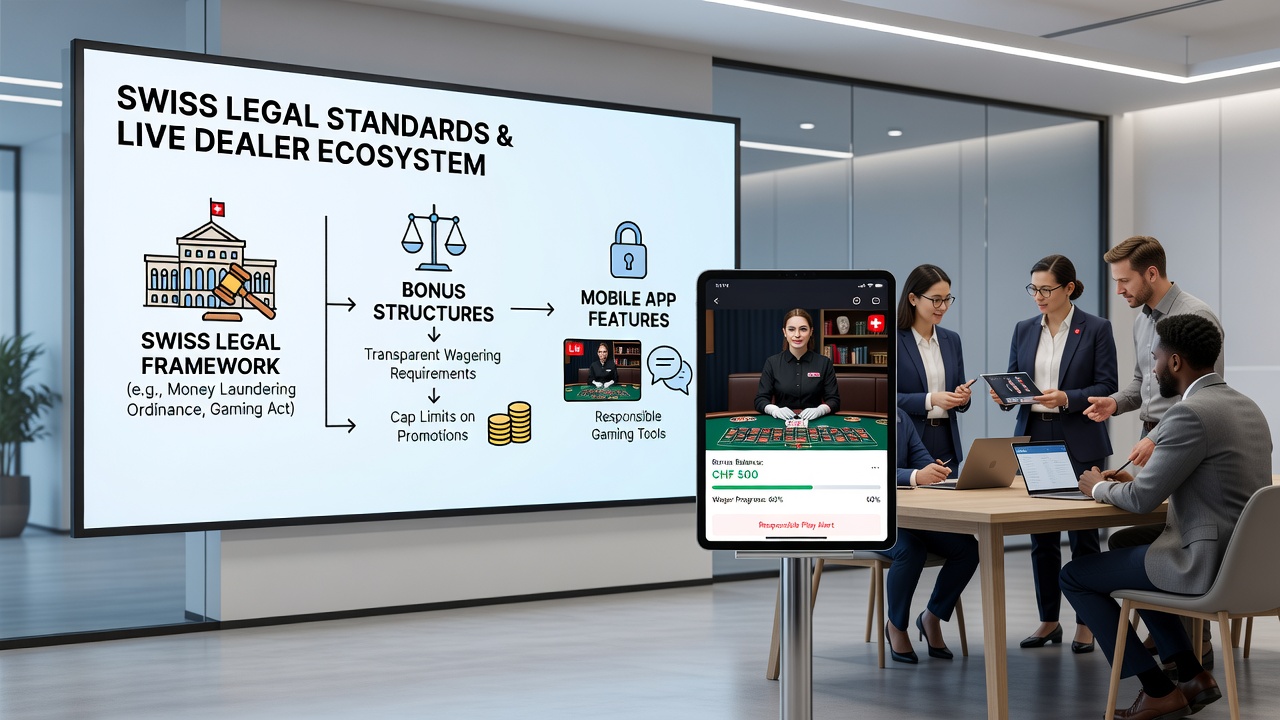
Cantonal licensing bodies enforce additional layers of oversight that require bonuses to tie into responsible gaming measures, and this means any promotional credit applied to live dealer sessions must incorporate automatic loss limits and session reminders that appear within the game interface itself. Observers note that these standards emerged from earlier federal revisions aimed at reducing gambling-related harm, and figures released in official compliance reviews reveal that operators adjusted bonus multipliers and deposit match percentages to stay within permitted thresholds. One study conducted by the University of Neuchâtel on Swiss gambling markets found that platforms offering live dealer roulette and blackjack incorporated capped welcome packages that reset only after full compliance verification, and this approach has become standard practice among licensed entities.
What's interesting is how these rules intersect with real-time game environments, because live dealer streams must display bonus balance information alongside active wagers without disrupting dealer interaction or video quality. According to reports from the Swiss Federal Gaming Board, verification processes for bonus eligibility now integrate with age and residency checks that run continuously in the background of mobile sessions. Experts have observed that failure to meet these disclosure standards results in immediate suspension of promotional features, which forces developers to embed compliance prompts directly into app navigation flows.
Mobile App Adaptations for Live Dealer Compliance
Mobile applications supporting live dealer experiences incorporate specific technical safeguards mandated by Swiss data protection and gambling laws, and these include encrypted video feeds, multi-factor authentication for account access, and geofencing that restricts play to approved jurisdictions. Research indicates that app interfaces must present deposit and withdrawal functions alongside live tables without requiring players to exit the game view, and this seamless integration stems from requirements that all financial transactions remain visible and traceable. Data from compliance audits shows that operators introduced in-app tools for setting personal spending caps that apply automatically to live dealer rounds, while session timers interrupt extended play with mandatory cooling-off prompts.
Turns out that updates scheduled for August 2026 will introduce enhanced biometric verification layers for mobile logins, and these changes aim to strengthen identity confirmation during live sessions where real dealers interact with players across multiple tables. Industry reports highlight that app developers have already begun testing modular feature sets that allow operators to toggle responsible gaming overlays based on individual player profiles, and this flexibility helps maintain compliance when cantonal rules receive periodic revisions. Those who've examined licensing documentation note that live dealer mobile platforms must log every bonus activation and redemption event in formats compatible with central monitoring systems, which ensures regulators can review patterns across thousands of concurrent sessions.
Integration of Features and Ongoing Standards
Live dealer mobile experiences under Swiss oversight also require that chat functions between players and dealers remain moderated and archived, and this rule prevents promotional abuse while preserving the interactive element that distinguishes these games from RNG alternatives. Evidence from regulatory filings demonstrates that bonus structures tied to live play must exclude certain high-risk bet types unless players have completed mandatory educational modules delivered through the app, and completion rates appear in operator dashboards for audit purposes. Researchers discovered that platforms adapting to these standards often deploy push notifications that remind users of remaining wagering requirements without encouraging additional deposits, and this balanced approach reflects the dual goals of consumer protection and operational viability.
Canadian regulatory comparisons from the Alcohol and Gaming Commission of Ontario reveal similar patterns in how mobile features support bonus transparency, and such cross-jurisdictional insights help Swiss operators refine their own implementations ahead of the 2026 updates. People who've reviewed technical specifications know that apps must support both portrait and landscape orientations for dealer camera angles while keeping all compliance elements fixed on screen, and testing protocols now include simulated network interruptions to verify that bonus data remains secure and recoverable.
Conclusion
Swiss legal standards continue to drive precise adjustments in both bonus mechanics and mobile application architecture for live dealer offerings, and these adaptations ensure that promotional activities align with broader player safety objectives. Data collected through ongoing monitoring programs shows sustained compliance across the licensed sector, while scheduled enhancements in August 2026 point toward further integration of verification and limit-setting tools. Observers tracking these developments note that the interplay between federal rules and technical implementation produces consistent outcomes in how operators present and manage live dealer experiences on mobile platforms.